Latest News: #000002
Here's more description on this latest news
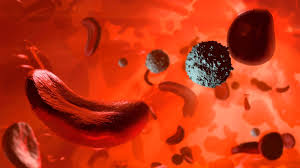
A New Hope for Sickle Cell Disease: Revolutionary Molecule SR-18292
Published on 2025-01-16 In a significant breakthrough for sickle cell disease (SCD) treatment, researchers at Boston Medical Center (BMC) have developed a promising small molecule, SR-18292, which could transform the lives of patients unresponsive to current therapies like hydroxyurea. SCD, the most common inherited blood disorder in the United States, impacts over 100,000 people, with more than 90% of those affected being Black. While hydroxyurea has been a key treatment, offering relief from severe pain and reducing hospitalizations, it falls short for some patients. SR-18292 addresses this gap, offering new hope for those who have struggled without effective solutions. The molecule works by enhancing fetal hemoglobin production in blood stem cells. In preclinical tests with mouse models, SR-18292 significantly reduced the number of sickled red blood cells, demonstrating its potential to improve outcomes. Even more promising, when combined with hydroxyurea, SR-18292 amplified fetal hemoglobin production through unique pathways, showing a synergistic effect that could benefit a broader range of patients. This innovative treatment targets BCL11A, a gene that suppresses fetal hemoglobin production. Remarkably, the same gene is a focus of the first CRISPR-based gene therapies for SCD, yet SR-18292 offers a less invasive, potentially more accessible approach. Affordability and accessibility are critical concerns for SCD treatments. While gene therapies show immense promise, they are often prohibitively expensive and difficult to implement in under-resourced regions. SR-18292 represents a step toward equitable care, with the potential to reach patients globally. “This breakthrough represents a significant step forward in BMC's quest for more effective therapies to treat sickle cell disease for all patients. Someday, we hope that our drug can be applied to patients across the globe who might not have access to existing gene therapies for the condition,” said Dr. Shuaiying Cui, senior author of the study and a researcher at BMC’s Center of Excellence in Sickle Cell Disease. The findings were published in Science Advances on July 31, 2024. With this development, the future looks brighter for those living with SCD, and SR-18292 may become a game-changer in making treatment more inclusive and effective worldwide.